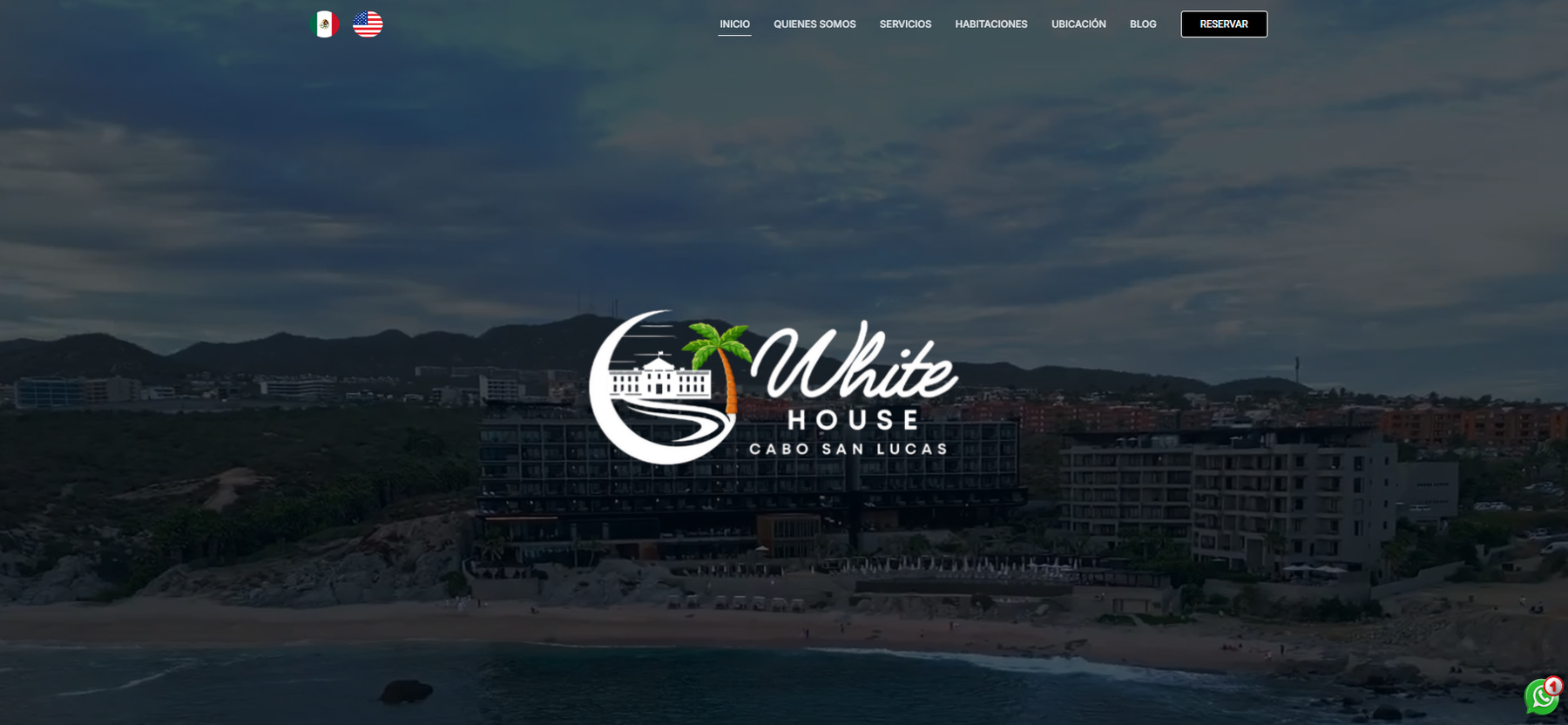

01Proyecto webproyecto-web-01.jpg
DISEÑO DIGITAL · IA · EXPERIENCIAS 360
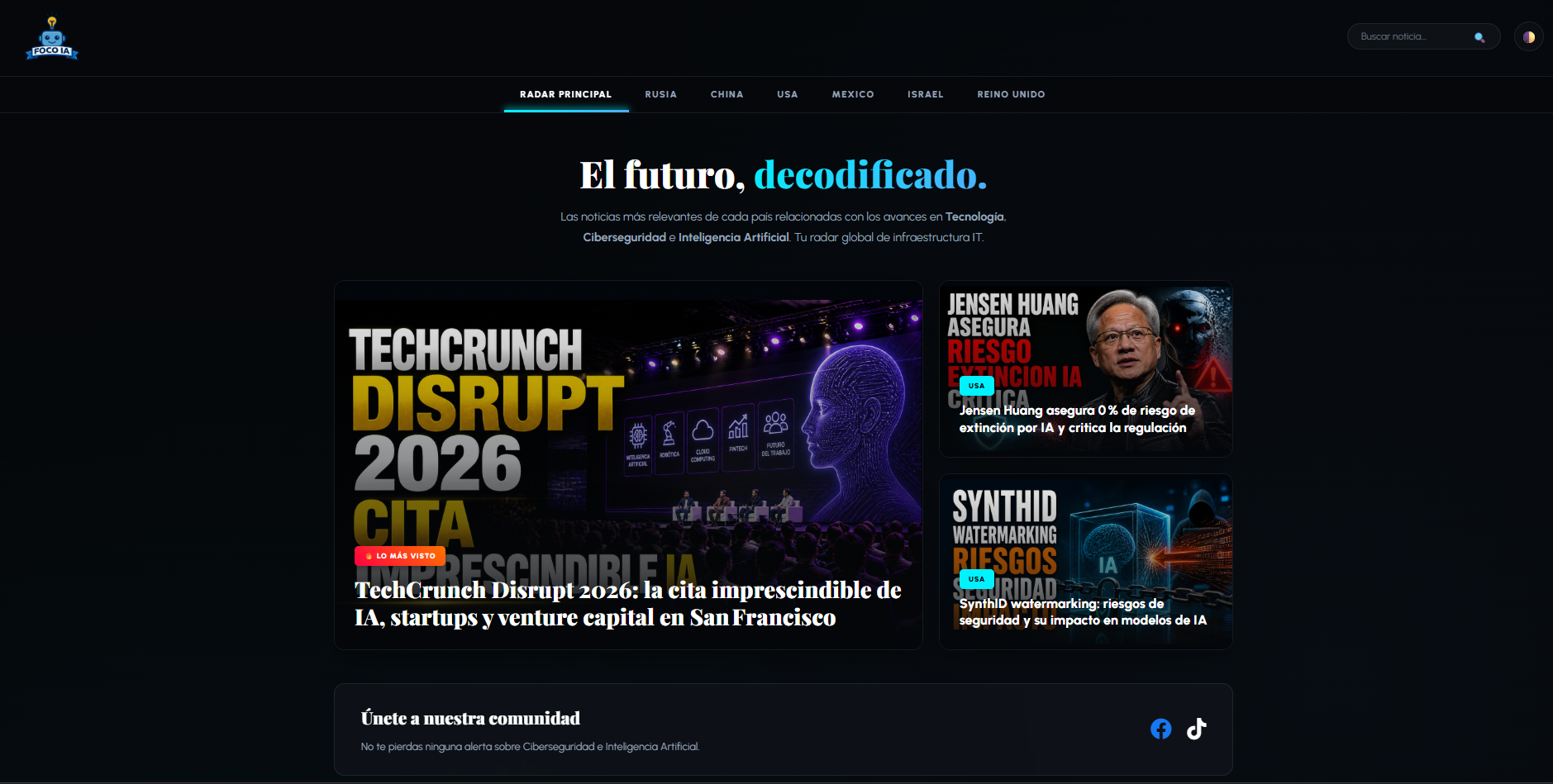
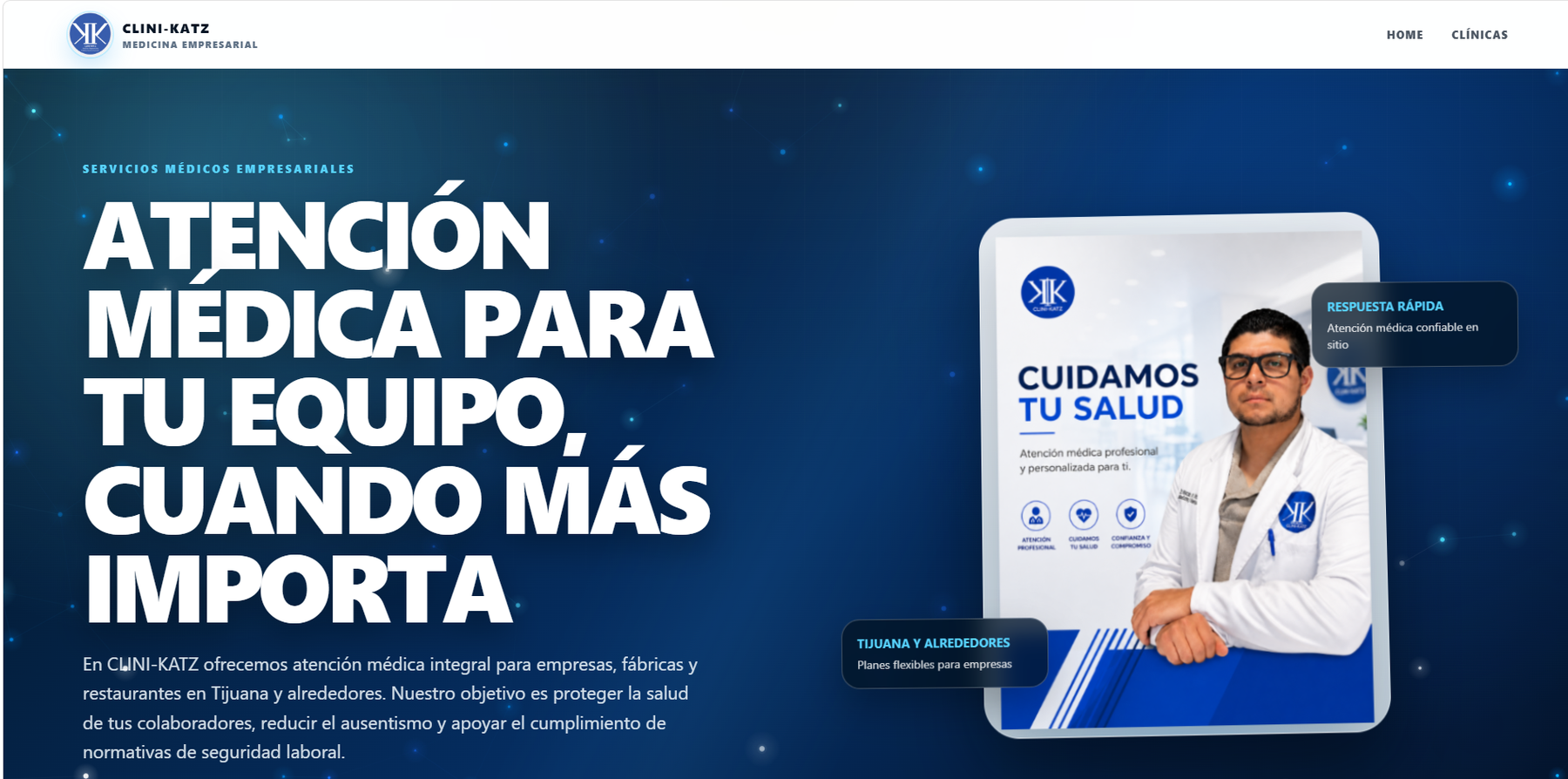
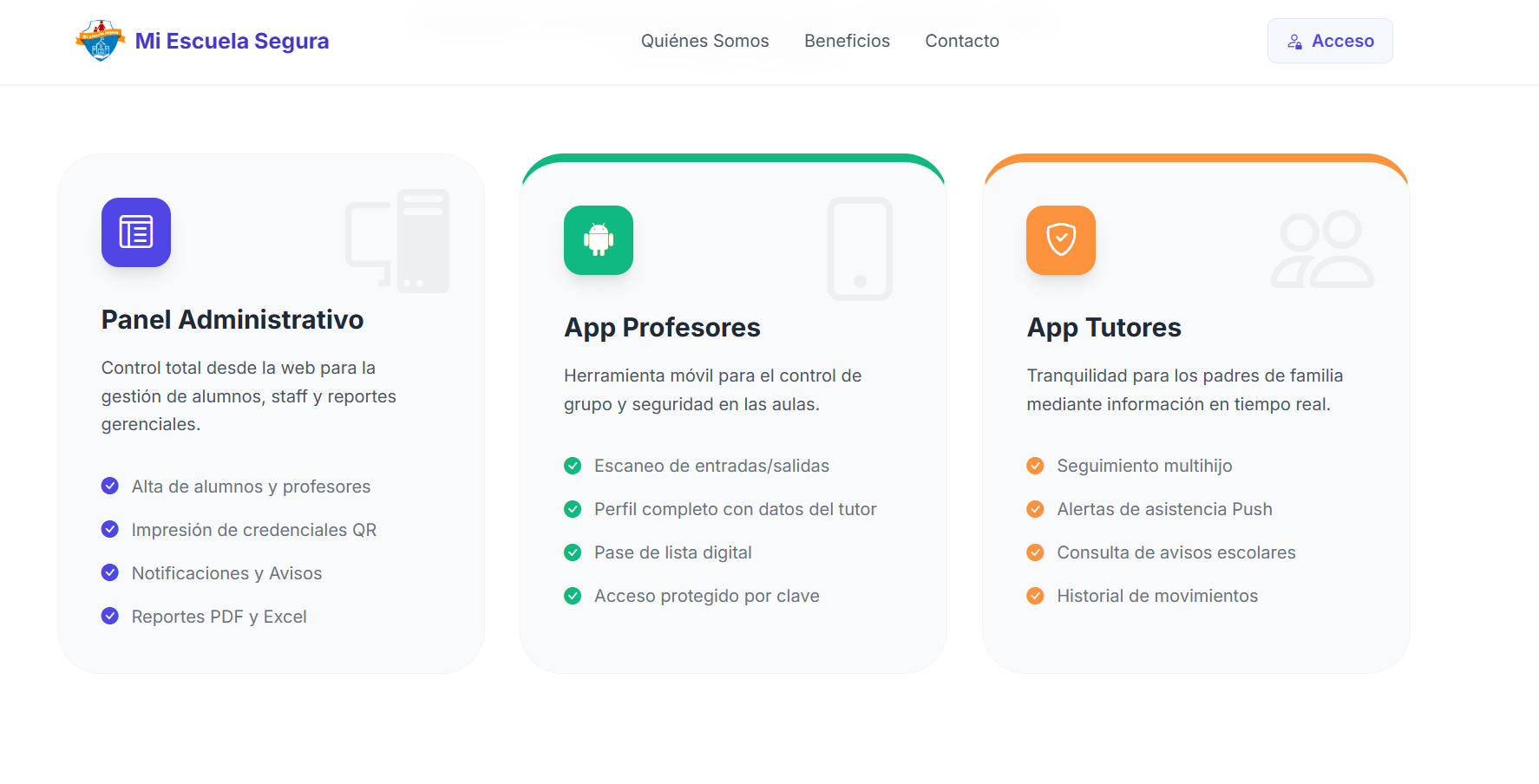
Diseñamos páginas web, agentes de IA y recorridos virtuales que explican bien tu negocio y se sienten propios.
Estudio independiente · Proyectos hechos a medida
PROYECTOS
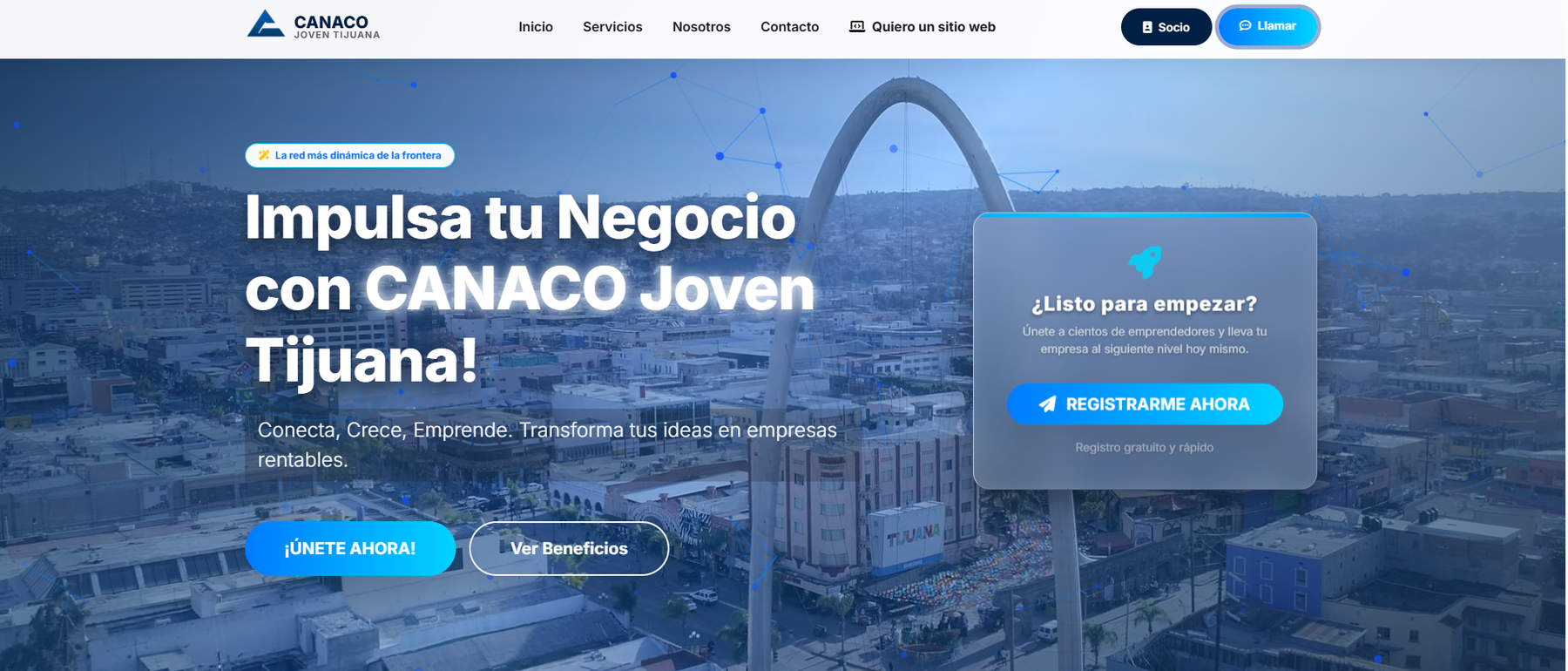

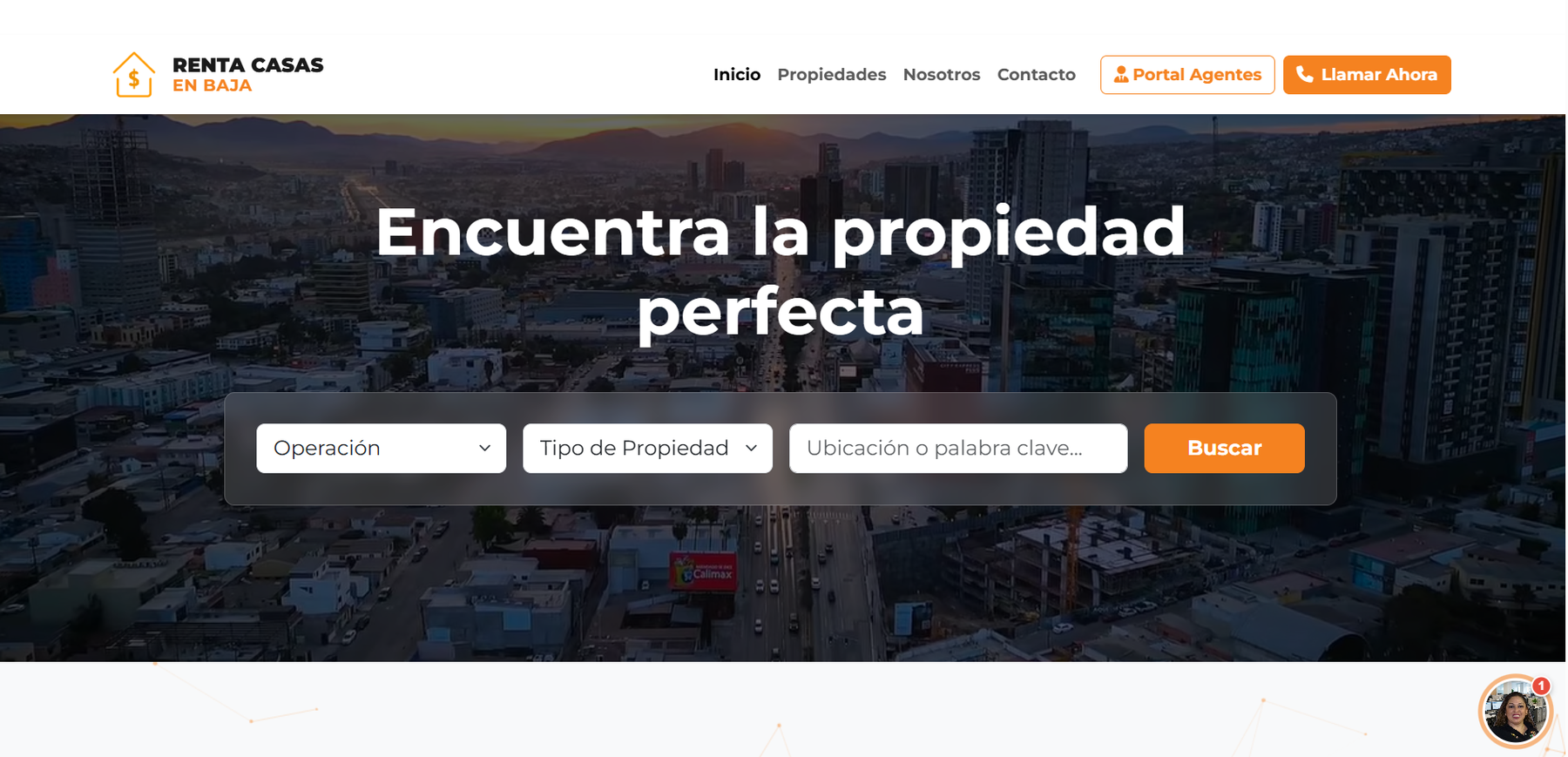

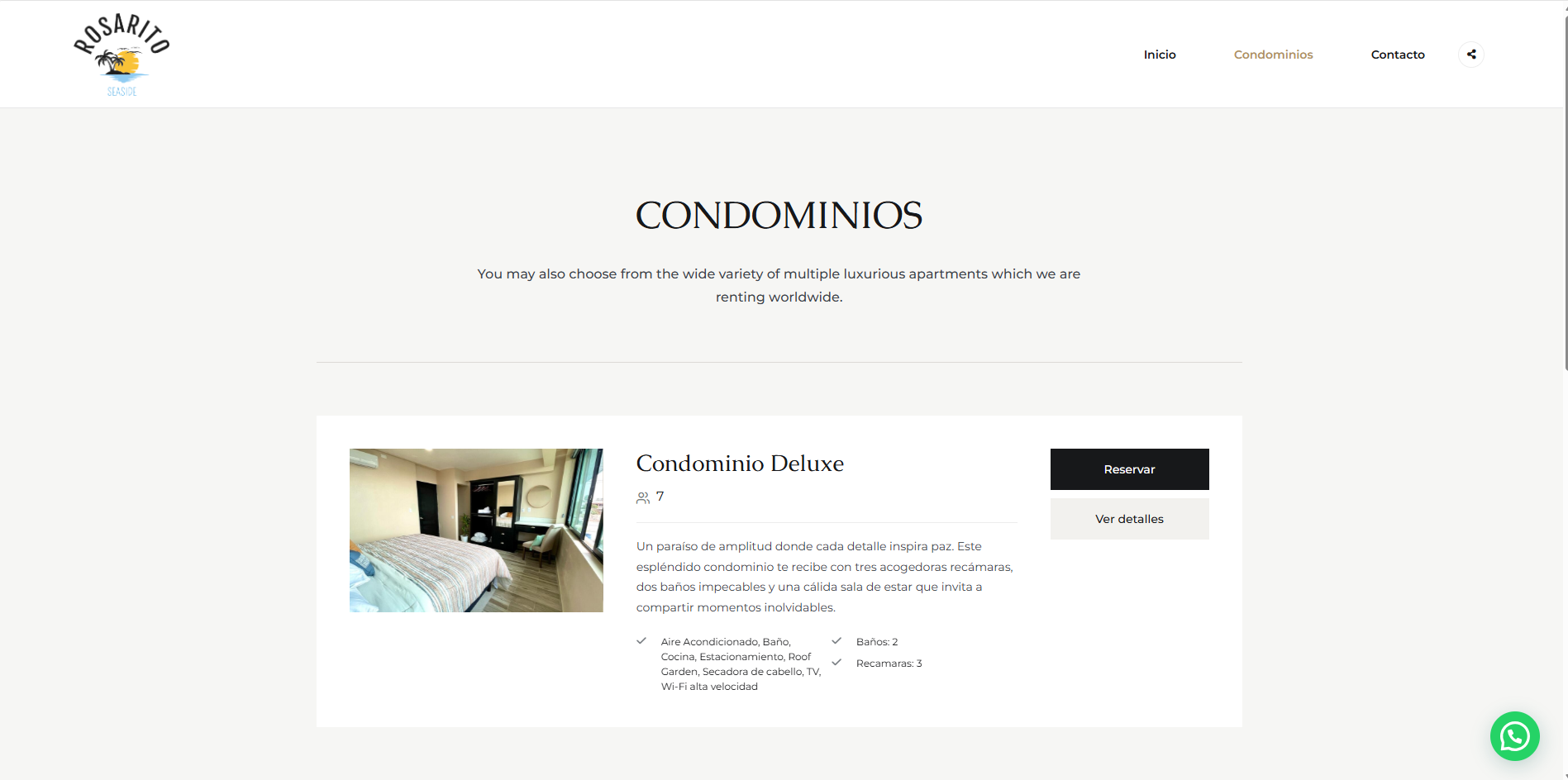



01 — LO QUE HACEMOS
Que se vea bien, funcione mejor
y tenga sentido para tu negocio.
DISEÑO + DESARROLLO
Diseñamos cada pantalla alrededor de tu contenido, tus clientes y la acción que quieres provocar. El resultado es un sitio rápido, claro y fácil de mantener.
Hablemos de tu páginaIA CON UN TRABAJO CONCRETO
Creamos asistentes con la información de tu negocio para atender preguntas y apoyar tareas específicas. Tú decides qué puede responder, cuándo debe detenerse y cuándo entra una persona.
Cuéntame qué necesitas resolverRECORRIDOS VIRTUALES
Producimos recorridos en 360 grados para inmuebles, hoteles, comercios y espacios culturales. Cada visita funciona desde el teléfono, la computadora o una tableta.
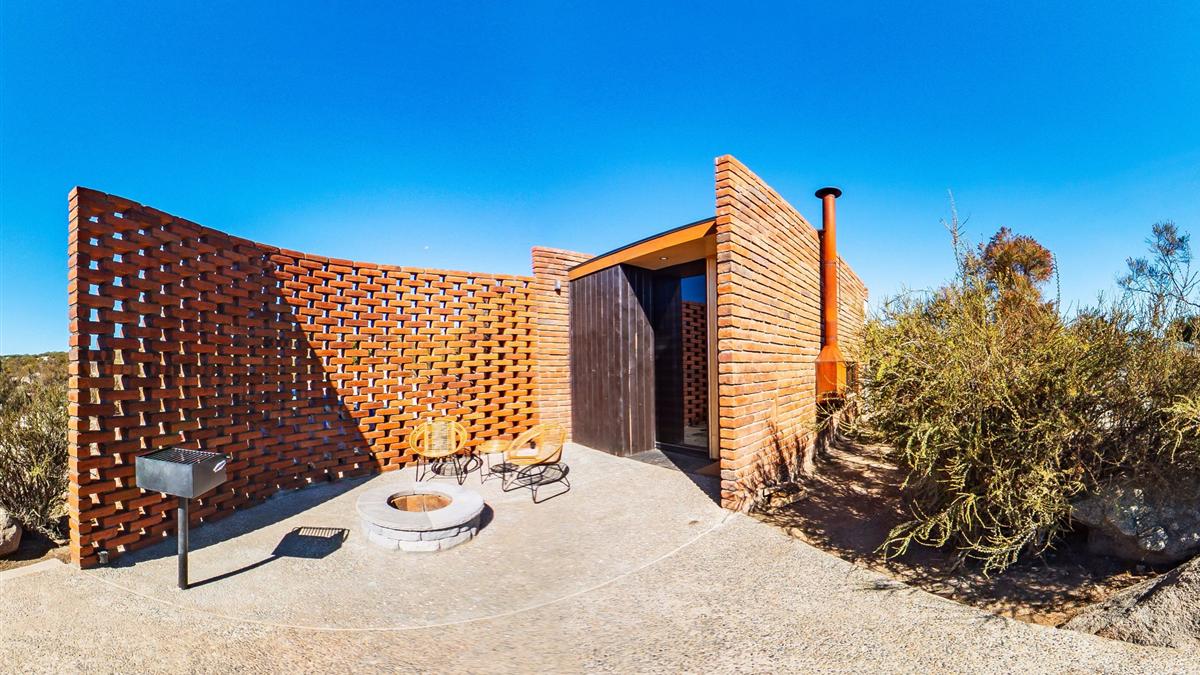
NUESTROS RECORRIDOS 360°
Una visita real, desde cualquier pantalla.
Arrastra la imagen para explorar el espacio.
01 / RECORRIDO 360°
Un paseo junto al lago. Recorre la entrada, el interior, el baño y el área de jacuzzi como si estuvieras ahí.
02 — CÓMO TRABAJAMOS
Alcance, fechas y entregables claros
desde el primer día.
Nos cuentas qué haces, qué necesitas y para quién lo estamos creando. Después definimos juntos el alcance.
Ordenamos el contenido y proponemos una dirección visual o funcional antes de construir.
Diseñamos, desarrollamos y te mostramos avances reales para ajustar lo necesario a tiempo.
Probamos todo, publicamos y te dejamos claro cómo usar y cuidar lo que construimos.
03 — EL ESTUDIO
En BrightLab cada proyecto empieza con una conversación, no con una plantilla. Escuchamos, proponemos y construimos con el mismo cuidado.
Trabajas directamente con quienes dan forma a tu proyecto. Menos intermediarios, decisiones más claras y un resultado que sí se parece a tu negocio.
BrightLab STUDIOHAGAMOS ESPACIO PARA UNA BUENA IDEA
Cuéntame qué tienes en mente.
La conversación empieza por WhatsApp.